
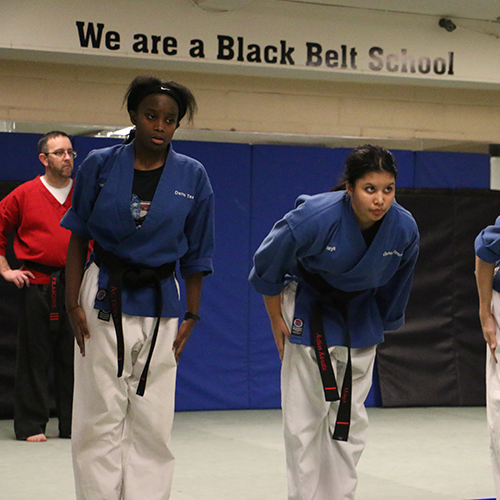
Kids and teens are facing record rates of sleep problems. From restless nights to trouble falling asleep, sleep issues are now common across every age group. Busy schedules, screen time, and stress only add to the struggle for kids to get the rest their bodies and minds need.
Quality sleep is more than just a mood booster—it fuels growth, learning, and good health. Without enough sleep, young people can slip behind at school, feel low on energy, or even face health problems down the road.
Here’s where martial arts stand out. Beyond self-defense and fitness, consistent training brings real, science-backed benefits to healthy sleep habits. This post highlights how martial arts help kids and teens fall asleep easier, sleep deeper, and wake up ready to take on the day.
Martial arts offer more than disciplined moves and self-defense skills. They set the foundation for healthier, more restorative sleep in kids and teens. Let’s look at how the powerful mix of physical activity and hormonal balance that comes with martial arts training works behind the scenes to help young athletes drift off faster, stay asleep longer, and wake up refreshed.
 Photo by Artem Podrez
Martial arts classes are packed with drills, sparring, and skill practice that get the body moving at every level. This is the kind of physical activity that does more than burn calories—it helps reset the body’s internal clock and deepen nightly rest.
When kids and teens practice martial arts, they:
The result? Students leave class feeling physically spent—but in the best way possible. This natural fatigue helps the body:
Scientific studies find a strong link between regular, moderate-to-intense activity like martial arts and increased time spent in both deep and REM sleep. Even a single session can help release tension in the body, reduce restlessness, and set the stage for a smooth transition from wakefulness to sleep.
Martial arts don’t just tire the body—they also reset key internal systems that control how we sleep. Research shows that steady martial arts practice can balance hormones that support sleep, especially melatonin (the body’s natural sleep signal) and cortisol (the stress hormone).
When the body gets regular, structured exercise:
What does this mean for kids and teens in martial arts?
So, by giving kids and teens both a physical outlet and a hormonal reset, martial arts create a reliable path to better, more restorative sleep—night after night.
Stress and anxiety are major sleep blockers for kids and teens. Busy days, social worries, and screens ramp up the pressure, making it tough for young people to unwind at night. Martial arts do more than just build strong bodies—they quiet busy minds, offer emotional balance, and set kids up for healthier sleep routines. Here’s how martial arts help children and teens calm down after a stressful day and drift off with fewer worries.
 Photo by cottonbro studio
Martial arts classes often begin and end with mindful practices—like deep breathing, guided movement, and short meditations. These routines are not just warmups or cooldowns; they reset the mind and body.
Through mindful movement, kids:
These habits teach the brain and nervous system how to move from stress to calm. When bedtime hits, the same skills can be used to relax and prepare for deep, restful sleep. Over time, kids develop a toolkit to handle anxious thoughts, making it easier to let go of the day’s stresses and drift off.
Martial arts is more than punching and kicking—it’s about practicing control, patience, and self-awareness. The routines and rituals in the dojo give kids a safe space to manage their feelings and steadily build discipline.
Here’s how martial arts supports emotional balance for better sleep:
Many martial arts programs use goal-setting, like earning new belt colors, which boosts confidence and gives kids a sense of progress. When kids feel in control and supported, they’re less likely to lie awake worrying. Martial arts helps young people replace sleep anxiety with self-trust and routine, which means bedtime feels safer and sleep comes more naturally.
Martial arts are about more than punches and kicks. The lessons learned on the mat reach far beyond physical skill—they build social strength, encourage friendships, and support emotional health. These changes have a real effect on how well kids and teens sleep. Improved self-esteem, a feeling of belonging, and predictable routines all help young athletes rest deeply at night.
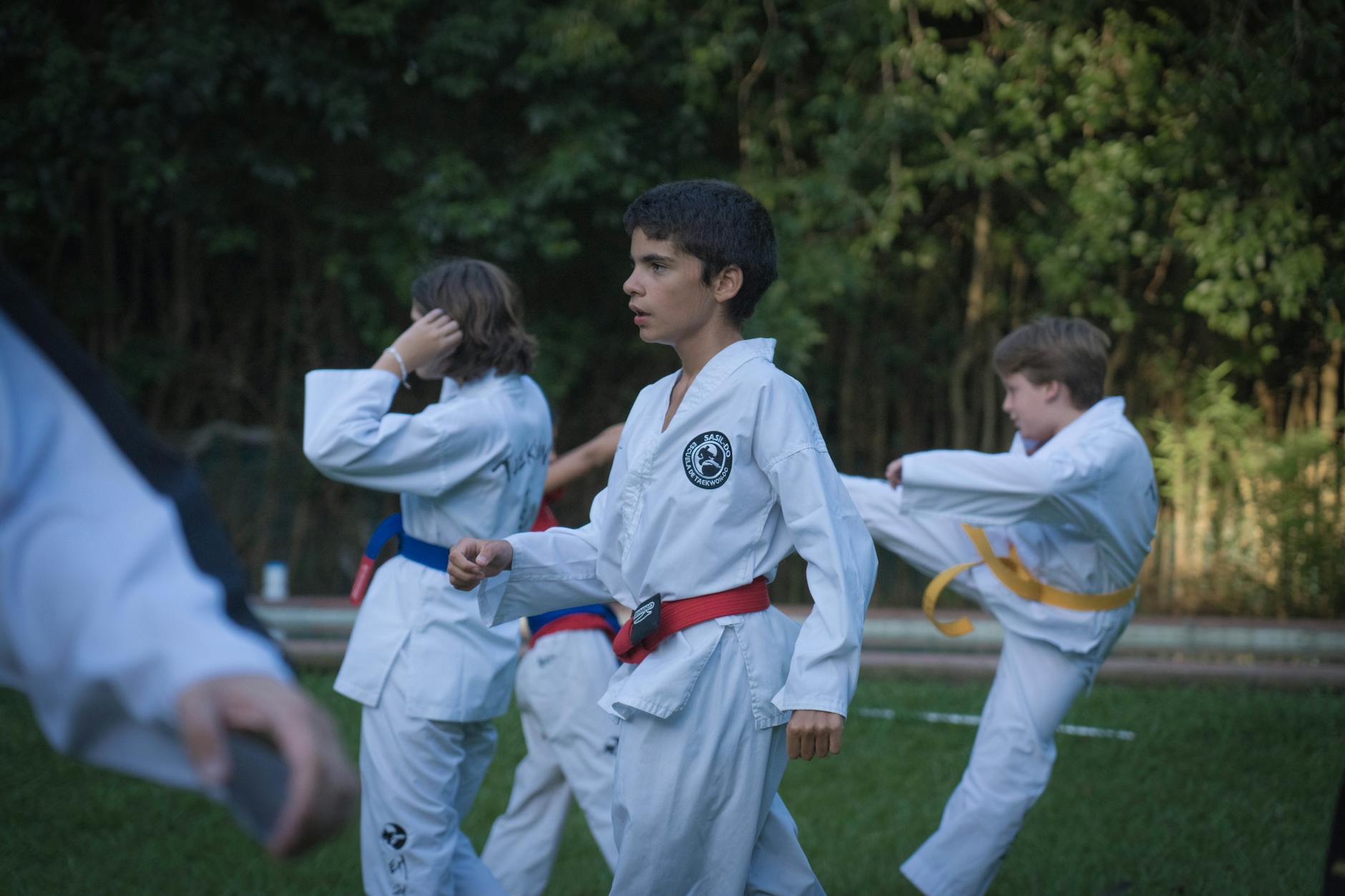 Photo by Martin.que
Martial arts classes are built on trust, respect, and teamwork. In every session, kids practice:
These social basics aren’t just good manners. They are the foundations of confidence and support. When a child believes in their own abilities (self-efficacy), they are less likely to doubt themselves in class or at school. That sense of “I can do this” follows them everywhere—even to bedtime.
Research shows that kids and teens who train in martial arts:
Reduced stress is one of the biggest benefits. With less fear of bullying and a stronger support system, kids’ minds are calmer at night. They take fewer worries to bed, which leads to falling asleep faster and sleeping soundly.
One thing every martial arts program has in common? Routine. There’s a set time for practice, a clear order to each class, and even rituals for entering and leaving the mat. This structure is a game-changer for kids and teens who struggle to keep a healthy bedtime.
Regular martial arts classes help:
For many families, martial arts classes become an anchor in the weekly routine. Kids know that after practice comes dinner, showers, and then getting ready for bed. The result is a stable sleep-wake cycle, less rushing at night, and more time to relax. Structured evenings, built on the foundation of class schedules, become a habit that sticks—and healthy habits mean better, deeper sleep.
Martial arts provide both the social bond and structure needed to support healthy sleep habits in kids and teens. When young people feel accepted, confident, and guided by routine, their minds and bodies are naturally ready for rest.
Sleep issues are common in kids and teens with neurodevelopmental conditions, especially those with Autism Spectrum Disorder (ASD). Many families try different ways to help their children sleep better, but medications often come with side effects and limited results. Martial arts, particularly judo, offer a fresh approach. Recent clinical studies show that these programs can improve sleep quality and lower stress, all without medication.
Let’s break down how a family judo program has made a real difference for kids with ASD when it comes to sleep.
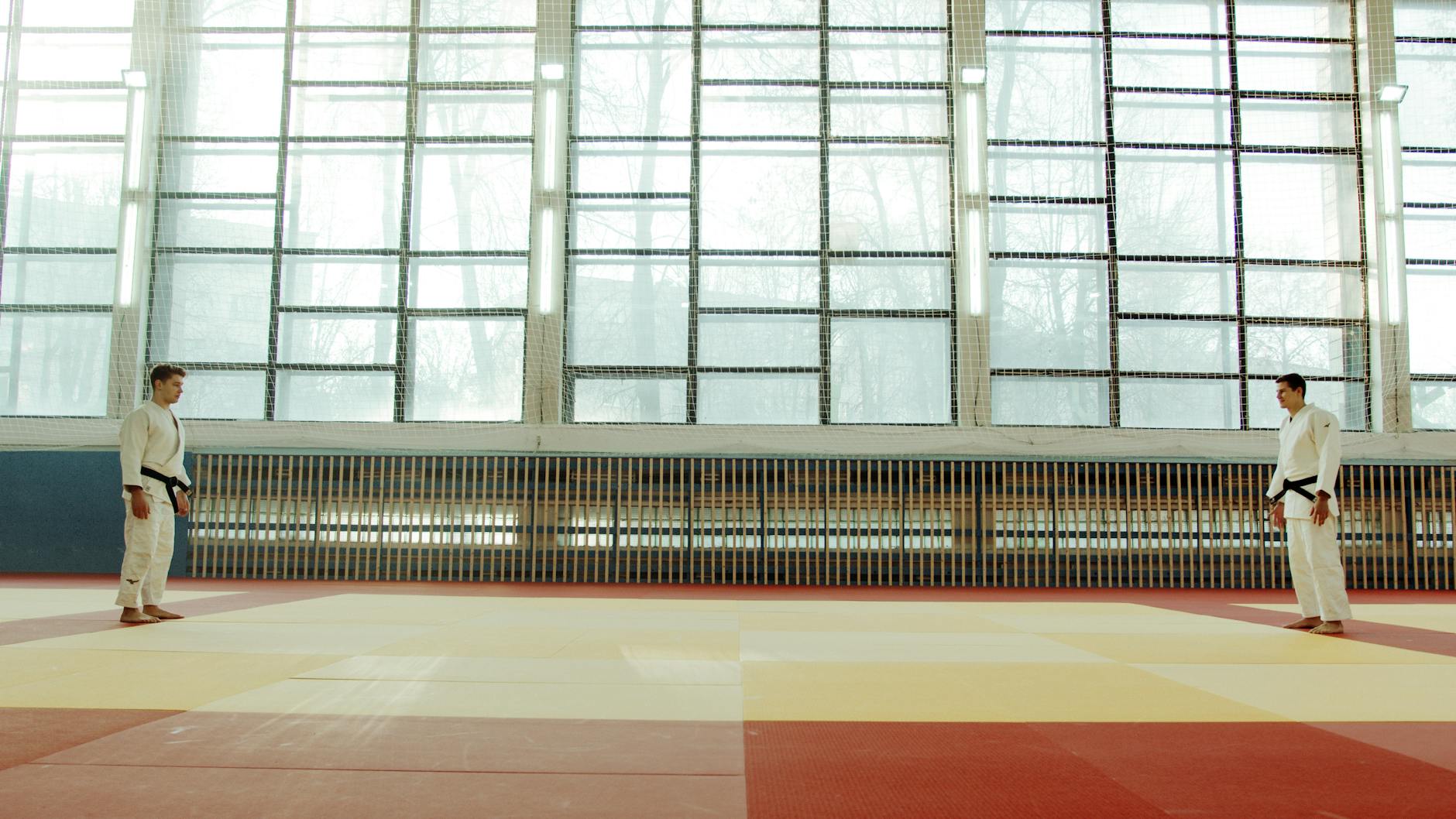 Photo by Artem Podrez
A standout study published in early 2024 followed children and teens with ASD through a 14-week family-based judo program. The group joined weekly 45-minute sessions designed for their needs, blending judo’s physical activity with mindfulness and family support. Researchers tracked their sleep with an Actigraph GT9X, a device that gives solid, objective sleep data rather than relying on just parent or self-reports.
Key outcomes from the study:
Sleep duration itself didn’t really change, but the quality of sleep improved. Kids didn’t necessarily sleep longer, but the sleep they got was deeper and less fragmented.
Why did this program make such an impact?
But the benefits didn’t stop at the kids. Parents reported nearly 10 points less stress on validated questionnaires by the end of the program—showing how a supportive family activity can ripple out to everyone at home.
What does this mean for families? Family martial arts programs give kids with ASD a reliable, drug-free way to boost their sleep quality. They combine movement, mindfulness, and structure. The results aren’t flashy, but they are measurable and meaningful. For parents tired of restless nights and empty sleep promises, integrating martial arts like judo could be a solution worth considering.
Martial arts give kids and teens more than strong bodies—they create better sleep by working on both mind and body. Regular training burns off extra energy, lowers stress, and steadies emotions. Mindful movement and breathing help kids relax at the end of the day. Strong routines and positive social bonds teach them when to wind down and trust in their ability to rest.
Whether your family hopes to ease bedtime battles or support kids with unique needs, martial arts can be part of a simple, drug-free solution. Consider visiting a local dojo to see how these classes can boost sleep and brighten daily life. Share your experiences below or reach out to programs in your area—your child’s best sleep might start with just one class. Thanks for reading and supporting healthy habits for tomorrow’s leaders.